The Family Playbook: How to Support a First Responder at Home (Charleston, SC)
Purpose & who this is for
This playbook is for spouses, partners, parents, and kids who love a first responder. It gives plain‑language steps you can use at home—no jargon, no therapy degree needed. Everything here respects the culture of the job and the privacy of the person who does it.
It’s written for Charleston first responder families—firefighters, law enforcement, EMS, and dispatch.
What stress from the job looks like at home—and why
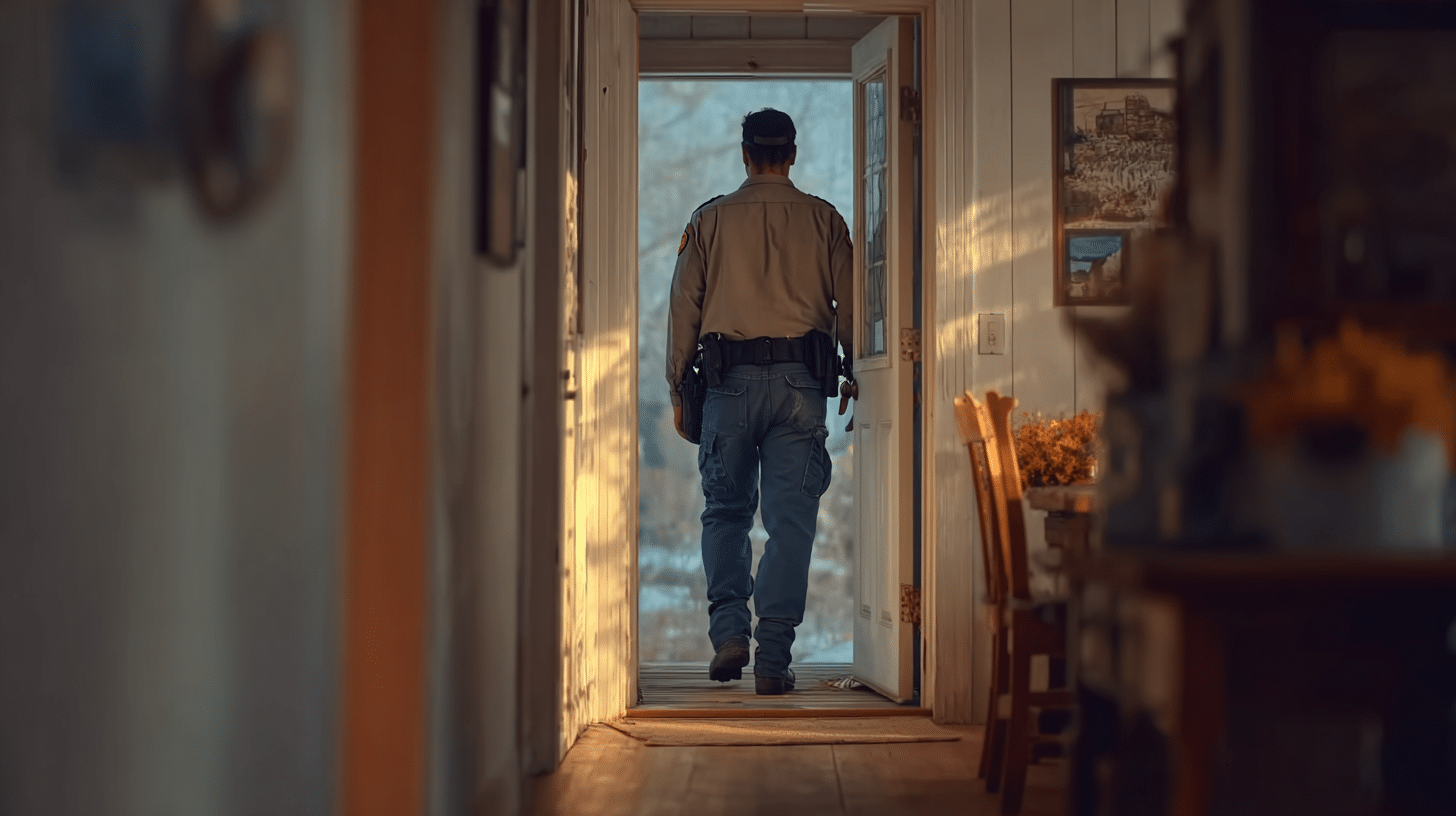
First responder work can follow someone home. You might notice jumpiness, a short fuse, numbness, headaches, poor sleep, or pulling away. These reactions are common after difficult calls and long shifts. Research shows that traumatic stress is a predictable occupational risk in first responders, and that organizational and operational pressures add to the load.
Sleep often takes the first hit. Sleep disruption and substance‑use risk are common in this work, which is one reason steady routines at home matter. If reactions last weeks, get worse, or start to harm work or family life, it’s time to step up support.
How to check in after a shift without prying
Use a simple choice: “Talk / Quiet / Distraction.” Then match the choice.
- If “Talk”: offer 15–20 minutes, then a hard stop. Stay curious, not graphic. Reflect what you hear; avoid fixes.
- If “Quiet”: lower lights, bring water, suggest a shower or short walk.
- If “Distraction”: sit together for a show, music, or a small task.
These are emotion‑regulation strategies that buffer stress—grounding, paced breathing, and healthy distraction help the body settle. Keep a steady decompression ritual (gear drop zone, shower, snack, pet time) so the nervous system gets the same “you’re safe” cue every day.
What to say (and what to skip) when emotions run hot
Start with validation and gratitude: “Thanks for what you did today. I can see it weighed on you.” Name feelings you observe (“tired,” “wired,” “shaken”) and invite, don’t force, details. Skip interrogations and graphic questions. Avoid minimizers like “you’re fine.” Strong relationships are a protective factor for mental health over time, so listening beats lecturing.
Warning signs to watch for—and when to act
Pay attention to big sleep changes, nightmares, isolation, heavy alcohol use, reckless driving, hopeless talk, work problems, or any talk of suicide. Studies show suicidal thoughts and behaviors are a real concern in police and other first responder roles. For EMS and dispatch, qualitative research also links the job to persistent stress that spills into home life.
Action steps:
- Try coping steps and a peer/chaplain call.
- If things don’t improve in days, book therapy with a clinician who understands first responder work.
- For imminent risk, call 988 or go to the ER right away.
How do we keep work from taking over home life?
Make home feel like home again
Set a few house rules you both agree on. Try: no radio at dinner, no call talk in kids’ rooms, and a weekly, time‑boxed download with your partner. Boundaries lower spillover from work to home. Create a “hard week protocol”: who handles chores, childcare, meals, and sleep blocks when the week turns rough. Put it in the calendar so no one has to negotiate when tired.
How do we talk with kids and teens about the job—and big feelings?
Keep it simple, honest, and repeatable
- Ages 4–7: Use short safety language (“My job is to help people”), draw‑your‑day, and a worry jar.
- Ages 8–12: Offer clear Q&A and name mixed feelings as normal. Tell them who at school they can talk to.
- Ages 13–17: Be direct about stress and boundaries with social media. Set plans for curfews and car use after hard shifts.
Warmth matters more than lectures—kids handle a parent’s hard job better when home feels close.
How can we protect sleep and keep the household steady?
Protect sleep like it’s medicine
Shift work upends circadian rhythms, and sleep disruption is common in first responder work. Build a wind‑down routine: lights low, shower, small snack, devices parked. Encourage a quiet house during sleep blocks. Keep caffeine to the early part of the shift and skip it in the last few hours. Use movement windows (10–20 minutes) on off‑days to help reset.
How do we build a simple crisis plan we’ll actually use?
Write it before you need it
- Personal plan: early warning signs, five coping steps, two peer/chaplain numbers, therapist contact, means‑safety steps, and 988.
- Family plan: who drives, who calls, childcare handoff, go‑bag basics, a short privacy script, and when to head to urgent care/ER.
Plan the steps while everyone is calm. Store the plan on the fridge and in your phones; review it monthly.
When is peer support enough—and when should we call a therapist?
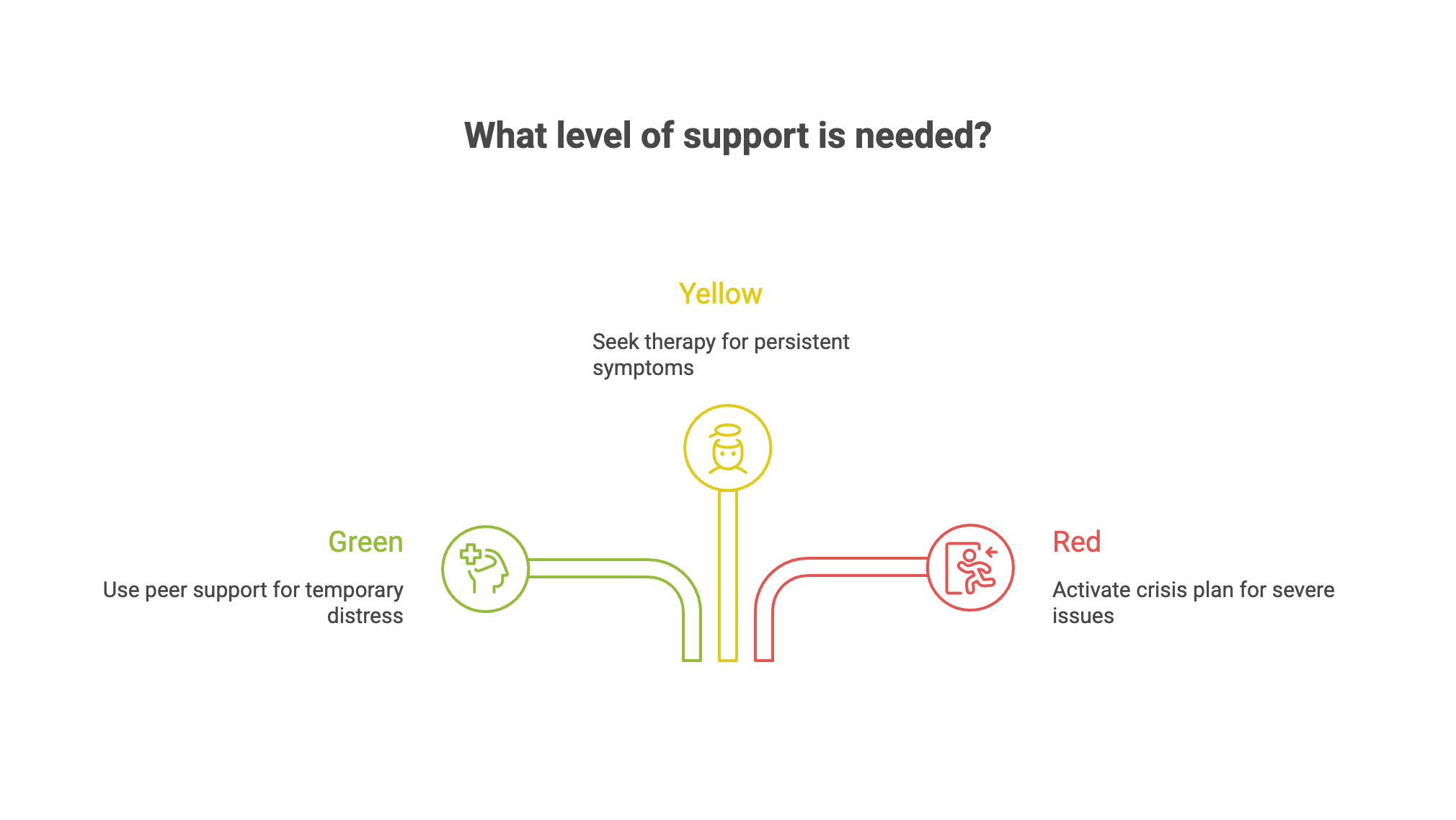
Green / Yellow / Red
- Green: bad day, settles in 24–48 hours → use decompression + peer call.
- Yellow: symptoms stick around for a week, sleep is shot, relationships strain → schedule therapy with a clinician who knows the culture.
- Red: talk of suicide, escalating alcohol use, reckless behavior, or can’t function → activate the crisis plan and call 988/ER now.
If you need a nudge, remember that PTSD rates vary across occupations and are higher in routine exposure roles—early help keeps problems from getting sticky.
How Therapy Group of Charleston supports first responder families
Our Mount Pleasant therapists work with individuals, couples, and families, including partners, teens, and children 5 and older who feel the ripple effects of a hard shift. One of our therapists served as a Military and Family Life Counselor, working with local service members and their families through deployments, moves, and long stretches apart. Sessions are in person at our Mount Pleasant office or by secure video anywhere in South Carolina. We’re out of network, and we file the insurance claims for you. We don’t offer EMDR; if a trauma-specific treatment would help, we’ll help you find it.
Quick‑reference “fridge card” (one‑minute helper)
- Notice: sleep, mood, withdrawal, alcohol.
- Ask: Talk / Quiet / Distraction?
- Act: coping step or peer call.
- Escalate: therapist → 988/ER if imminent risk.
We’re here when needed
Ready when you are—use our secure form to request an appointment with one of our Mount Pleasant therapists. We’re in your corner in the Lowcountry.
Frequently Asked Questions about First Responder Mental Health Support
What mental health resources are available for first responders and their families?
First responders and their families can access a variety of mental health resources, including individual therapy, peer support groups, and specialized counseling programs designed to address trauma, PTSD, anxiety, and substance use. Check for the latest details, but it’s good to know that the state of South Carolina has a PTSD assistance program that reimburses first responders for mental stress treatment expenses. Many organizations offer confidential services tailored to the unique challenges faced by the first responder community.
How can first responders build resilience and confidence in their demanding roles?
Building resilience involves accessing mental health support, developing healthy coping strategies, and participating in training that focuses on stress management and emotional regulation. The South Carolina First Responders Assistance and Support Team (SC FAST) offers training on mental health resilience and suicide awareness for first responders. Support groups and education programs help first responders process trauma and strengthen social support networks, which are critical for maintaining confidence and mission effectiveness.
Why is it important for first responder families to have a safe space for healing?
A safe space allows family members to openly share their experiences and feelings related to the stress and challenges of emergency response work. This environment fosters healing, builds stronger relationships, and provides relief from the pressures often carried home from the job, improving overall behavioral health for the entire family. For law enforcement families, SCLEAP provides confidential counseling and critical incident stress management.
What role do peer support and counseling play in addressing mental health issues in the first responder community?
Peer support offers a unique opportunity for responders to connect with others who understand their experiences, reducing isolation and stigma. SC PeerConnect provides statewide peer support and connections to mental health professionals for first responders in South Carolina. Counseling provides professional assistance to process trauma, address symptoms of depression and anxiety, and develop strategies to manage critical incidents and substance use, ultimately promoting long-term mental health and well-being.
How can first responders access mental health support confidentially?
Many programs and organizations provide confidential mental health services, including individual therapy and support groups. The MUSC Resilient Responder Program offers mental health services for local first responders, including wellness and resiliency training and critical incident support. First responders can seek help through established programs in their communities or through specialized providers who understand the culture and demands of emergency response work, ensuring privacy and trust throughout the healing process.