Is My Child Depressed? Signs of Childhood Depression Parents Often Miss
When your child complains of frequent stomachaches or seems irritable lately, it’s easy to chalk it up to a bug or just a phase. But these seemingly ordinary complaints can sometimes point to something deeper: childhood depression. Depression in children looks different than it does in adults, and many parents miss the early signs simply because they don’t match what we expect. Understanding the subtle symptoms can help you recognize when your child needs support and improve their mental health.
What Are the Symptoms of Childhood Depression?
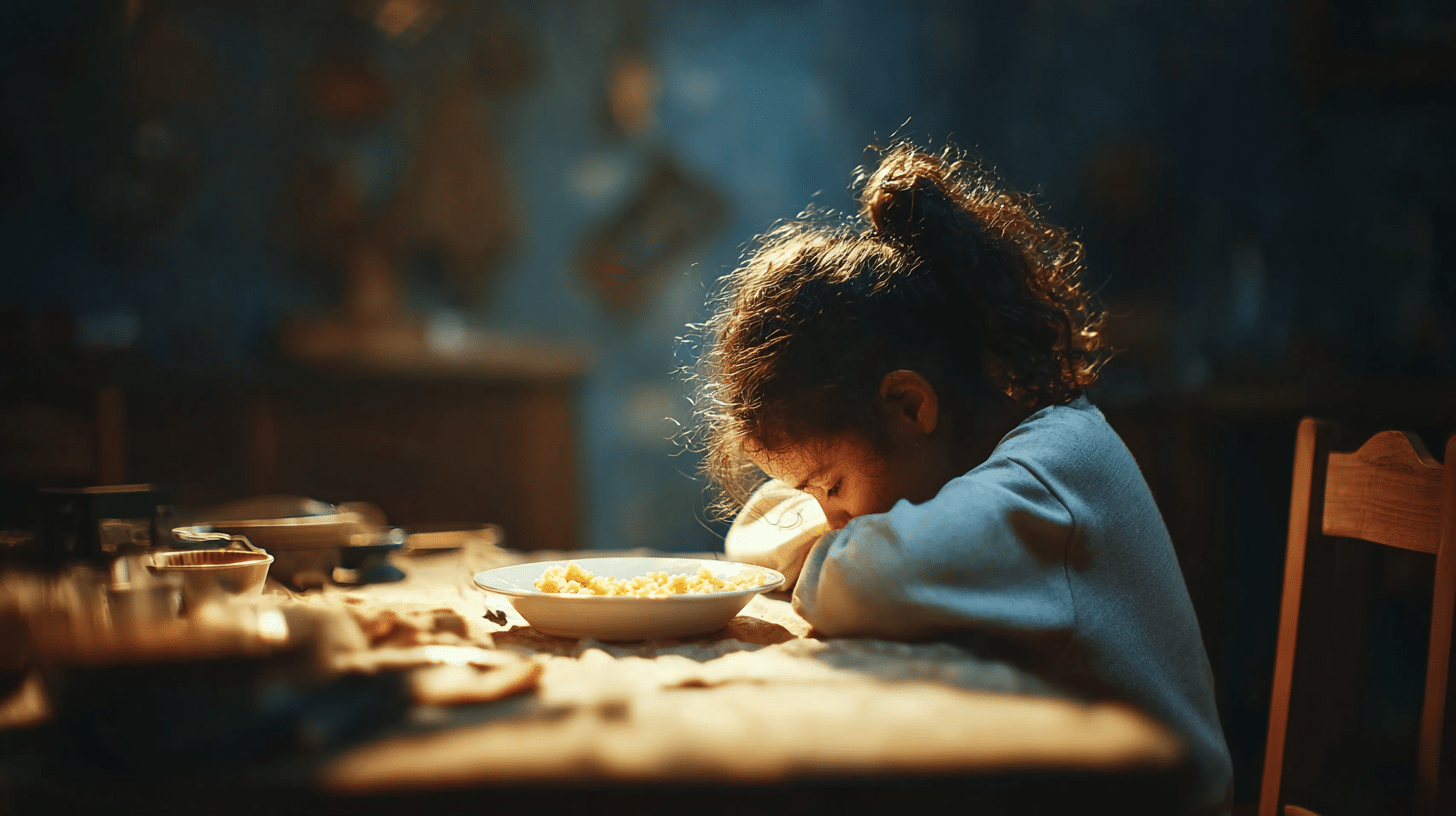
The signs extend far beyond sadness. While persistent low mood is one indicator, depression in children often shows up in ways parents don’t immediately recognize as mental health concerns.
Physical symptoms are among the most commonly overlooked signs. Children with depression frequently report headaches, stomach aches, or other unexplained aches. When pediatricians rule out medical causes for these recurring physical complaints, depression may be the underlying issue.
Behavioral changes can also signal a problem. Your child might lose interest in activities they once enjoyed—soccer practice, art class, spending time with friends. They may withdraw socially, spend more time alone in their room, or show a decline in school performance. Some children develop an irritable mood or become more angry rather than appearing sad, leading parents and teachers to misinterpret depression as behavioral problems.
Other warning signs include:
- Trouble sleeping or sleeping too much
- Shifts in appetite or weight
- Difficulty concentrating or making decisions
- Fatigue or low energy
- Low self esteem or feelings of worthlessness
- Talk of death or self-harm
Children who experience depressive symptoms often fall behind at school and lose confidence in themselves. If you notice changes lasting longer than two weeks, it’s time to consult a mental health professional.
In our practice at Therapy Group of Charleston, we often see parents who feel relieved when they finally understand what’s been going on. They’ll say, “I thought my daughter was just being difficult,” or “I assumed the stomachaches meant something was physically wrong.” Once we explain how depression can manifest differently in children, the pieces start falling into place for families.
Can a 10-Year-Old Be Depressed? What Age Does Childhood Depression Start?
Yes, children as young as preschool age can experience depression, though it becomes more common as kids get older. The term “childhood depression” generally refers to major depressive disorder in children from early childhood through adolescence. This mood disorder can affect children and adolescents at different developmental stages.
Depression looks different depending on your child’s age and developmental stage. Younger children (ages 3-8) may show more physical symptoms and irritability. They might have frequent tantrums, cling to parents, or worry excessively about separation. School-age children (ages 9-12) often display changes in grades, social withdrawal, and physical complaints. Adolescents typically experience symptoms more similar to adult depression, including persistent sadness, hopelessness, and suicidal thoughts.
Prepubertal children may struggle to express their feelings in words, which is why behavioral changes become especially important signals. Young adolescents facing challenges with peer relationships or romantic relationships may be particularly vulnerable to developing depression.
The idea that children are “too young” to be depressed is a harmful myth. Mental health conditions can affect people at any age, and early recognition leads to better outcomes. Mental health professionals rely on specific criteria outlined in the Diagnostic and Statistical Manual to accurately diagnose depression in children and adolescents.
What Causes Depression in Children?
Childhood depression typically results from multiple factors working together rather than a single cause. Understanding these risk factors helps parents recognize when their child might be at increased risk.
A family history of depression or anxiety increases a child’s likelihood of developing depression. If you or another close family member has struggled with mental health problems, your child faces higher risk. Research involving randomised controlled trials has confirmed the genetic component of depressive disorders.
Stressful life events play a significant role. Major negative experiences can trigger depressive episodes in vulnerable children—death of a loved one, parents’ divorce, bullying, trauma, or abuse. Even positive changes, like moving to a new city (perhaps relocating to the Mt. Pleasant area), can create enough stress to impact a child’s life and contribute to mood problems.
Other risk factors include:
- Chronic illness or physical illness
- Learning disabilities or ADHD
- Experiencing discrimination or racism
- Social difficulties or peer rejection
- Substance abuse in adolescents (which can exacerbate existing mental disorders)
Depression is a medical condition involving brain chemistry, not a character flaw or something your child can simply “snap out of.” Research shows imbalances in neurotransmitters like serotonin and norepinephrine contribute to depressive disorders. The National Institute of Mental Health continues to study the biological mechanisms underlying childhood depression.
Can Other Mental Health Conditions Co-Occur with Depression?
Depression frequently appears alongside other mental health problems. Anxiety disorders are particularly common, with many children and adolescents experiencing both conditions simultaneously. ADHD, conduct issues, and in some cases bipolar disorder can also increase the likelihood of developing depression.
When multiple conditions are present, it requires comprehensive evaluation by a mental health professional who can address all aspects of your child’s mental health and provide an accurate diagnosis.
How Is Childhood Depression Treated?
Depression in children is highly treatable with the right support. Evidence-based treatments supported by systematic review include therapy, medication when appropriate, and family involvement.
For mild depression, supportive interventions may be sufficient. This includes education about the condition, healthy lifestyle changes (regular sleep, physical activity, good nutrition), and close monitoring. Creating a consistent daily schedule provides children with security and stability—predictable times for meals, playtime, and bedtime can make a real difference.
For moderate to severe depression, professional treatment is recommended. Research from the American Psychiatric Association and findings published in Archives of General Psychiatry support several therapeutic approaches.
Cognitive Behavioral Therapy (CBT)
Cognitive behavioral therapy helps children identify and change negative thought patterns and behaviors. Through this approach, kids develop coping skills to manage difficult emotions and challenging situations. Studies confirm that CBT effectively helps treat depression in children and provides lasting benefits. Many children learn relaxation techniques and other practical tools during CBT sessions.
Interpersonal Psychotherapy (IPT)
Interpersonal psychotherapy focuses on improving relationships and communication skills. Since many children’s mood problems connect to social difficulties, IPT addresses these relationship patterns directly. This approach has been validated in research published in the Journal of the American Academy of Child and Adolescent Psychiatry.
Family therapy may also be recommended as part of the treatment plan. When family members participate in therapy, children often recover faster and develop stronger coping skills for the future.
We often tell parents that therapy isn’t just about sitting and talking—it’s active and engaging. Kids learn practical tools they can use right away, like how to challenge worried thoughts or communicate feelings more effectively. We’ve seen even young children grasp these concepts when they’re taught in age-appropriate ways.
When Is Medication Considered?
For some children, antidepressant medication may be recommended, particularly when depression is severe or hasn’t improved with therapy alone. Selective serotonin reuptake inhibitors (SSRIs) are commonly prescribed for children and adolescents—a class that works by affecting serotonin levels in the brain. Fluoxetine and escitalopram are FDA-approved for treating depression in young people.
While older medications like tricyclic antidepressants exist, SSRIs are generally preferred for children and adolescents due to their safety profile. Antidepressants often take several weeks to show their full effect, so patience is essential during the early treatment period.
Medication decisions require careful consideration with your child’s pediatrician or an adolescent psychiatrist. If prescribed, children need close monitoring, especially in the first few weeks, for any changes in mood or behavior. Research from placebo controlled trials helps guide these medication decisions.
Many children benefit most from combining therapy and medication, especially when dealing with moderate to severe depression. Mental health professionals may try various therapies to find what works best for each individual child. The treatment plan should be tailored to your child’s specific needs, age, and circumstances.

What Can Parents Do to Support a Child with Depression?
Creating a supportive home environment is crucial to help your child recover. Your involvement and understanding make a significant difference in treatment outcomes.
Start by encouraging open conversations about feelings. Let your child know it’s okay to feel sad, worried, or upset. Listen without judgment and validate their emotions, even if you don’t fully understand them. Avoid dismissive phrases like “just cheer up” or “you have nothing to be sad about.”
Maintain those healthy routines we mentioned earlier. Regular sleep schedules, balanced meals, and daily physical activity all support mental health. Encourage your child to engage in hobbies or activities they once enjoyed, even if they initially resist. Small steps back toward pleasurable activities can help improve mood and self-esteem.
Work with your child’s school. Teachers and counselors should be aware of your child’s mental health needs so they can provide appropriate support and monitor for concerning changes. Some children may need accommodations like extended time on tests if concentration is affected. School-based programs can also help children develop coping skills and feel less alone.
Connect your child with a trusted adult outside the family when possible. Whether it’s a favorite coach, mentor, or family friend, having multiple supportive adults provides additional support. Other children going through similar experiences can also help—support groups specifically for young people with depression exist in many communities.
Seeking support from family, friends, or support groups is beneficial for parents too. Caring for a child with depression can be emotionally demanding, and your own mental health matters.
In our practice, we consistently see that family involvement makes a real difference in recovery. Parents who learn to validate emotions without trying to fix everything immediately, maintain routines even when it’s difficult, and work with the treatment team tend to see better outcomes. Taking care of your own mental health helps you support your child more effectively.
When Should You Seek Help Right Away?
If your child expresses suicidal thoughts or plans for suicide, this is always an emergency. Take all such statements seriously and seek immediate help. Suicide attempts are a serious risk in severe cases of childhood depression. Call your child’s pediatrician, go to the nearest emergency room, or contact the 988 Suicide and Crisis Lifeline.
Even without suicidal thoughts, certain situations warrant urgent consultation:
- Severe depression that interferes with daily functioning
- Rapid worsening of depressive symptoms
- Concerning behavioral changes, including substance abuse
- Inability to attend school or maintain relationships
- Signs of self harm
Don’t wait for things to get worse before reaching out. Early intervention is critical for treating depressive disorders in children and adolescents. Mental health professionals can provide proper diagnosis and create an effective treatment plan. Early-onset depression responds well to treatment when addressed promptly, and many children fully recover with appropriate care.
Finding Help in the Charleston Area
If you’re concerned about your child’s mental health, the first step is often contacting your child’s pediatrician, who can provide an initial evaluation and referral to a mental health specialist. The U.S. Preventive Services Task Force recommends screening for depression in children and adolescents, so don’t hesitate to bring up your concerns.
Many families in the Mt. Pleasant and greater Charleston area also reach out directly to therapists who specialize in working with children and adolescents. Finding the right mental health professional for your family is an important step in helping your child recover.
At Therapy Group of Charleston, our therapists are experienced in helping children and families work through depression and other mental health challenges. We provide evidence-based treatment in a welcoming, supportive environment. Schedule an appointment to discuss how we can support your child’s mental health.
Disclaimer: This article is for educational purposes only and is not a substitute for professional medical advice, diagnosis, or treatment. Always seek the advice of your physician or qualified mental health provider with any questions you may have regarding a medical or mental health condition. If you are in crisis or experiencing thoughts of self-harm, please call 988 (Suicide and Crisis Lifeline) or go to your nearest emergency room.