First Responder Mental Health: Recognize → Respond → Recover
This field guide is for firefighters, EMS personnel, law enforcement officers, dispatchers, and ER teams across Charleston and the Lowcountry. You do high‑stakes public safety work and face mental health challenges that look different from the general population—rates of post-traumatic stress can be higher in roles with routine exposure to trauma.
What early signs of stress should I watch for?
- Sleep: hard time falling asleep, jolting awake, nightmares, or waking unrefreshed.
- Mood and behavior: irritability, going numb, jumpiness, withdrawing from family, or losing interest in normal life.
- Body cues: headaches, stomach issues, muscle tension, a tight chest.
- On‑the‑job signals: dread before shift, second‑guessing routine tasks, or near‑misses after tough calls.
- Risk flags: using alcohol or substances to “shut off,” reckless off‑duty driving, or conflicts at home. Evidence points to sleep problems and avoidance as early drivers of later distress.
- Take red‑line symptoms seriously: intrusive memories that won’t ease up, avoidance that blocks daily life, rising hopelessness, or any thoughts of suicide—a risk that runs higher among first responders.
How do I respond in the moment after a hard call?
- 90‑second reset. Try 5–10 slow “physiological sigh” breaths: inhale, quick top‑up inhale, then a long exhale. This calms your system.
- Grounding. Name five things you see, four you feel, three you hear, two you smell, one you taste.
- Peer check. Quick “You good?/I’m good” scan. Skip graphic details right away.
- Basics. Hydrate, brief walk or stretch, steady food. Avoid caffeine spikes.
- Do/Don’t right now. Do note what helped. Don’t replay the worst 30 seconds on a loop or off‑load graphic details on family.
Evidence‑based care exists—even if you don’t need it today. Trauma-focused therapies, including cognitive-behavioral, exposure-based, and EMDR approaches, reduce PTSD symptoms in first responders. If symptoms build over days, book an appointment instead of white‑knuckling it.
What should the first 24 hours look like?
- Sleep kit. Dark, cool room; phone away; simple wind‑down routine. If you’re coming off nights, get 20–30 minutes of daylight before bed. For EMS crews, broken sleep adds to the stress of the job.
- Body reset. Light movement (10–20 minutes), warm shower, regular meals.
- Boundaries. If you want to talk, time‑box it. Skip alcohol and sedatives—they wreck recovery sleep.
- Signal check. If symptoms surge or you feel out of control, plan a same‑week call with a peer or clinician.
What helps over the next 72 hours and week?
Short, steady routines beat heroic fixes. Do one small recovery action each day: a 15‑minute walk, a few rounds of slow breathing, a quick journal note, or a faith/meaning practice. Emotion-regulation skills are worth practicing: they buffer against later distress.
Keep one “normal life” activity on the calendar with family or friends. Mute graphic news and social replays for a bit. Track sleep, irritability, and alcohol for 3–7 days. Small habits compound over a season.
If symptoms get louder instead of easing, move to structured help this week.
How do I build a simple personal recovery plan?
Keep it on one page you can carry.
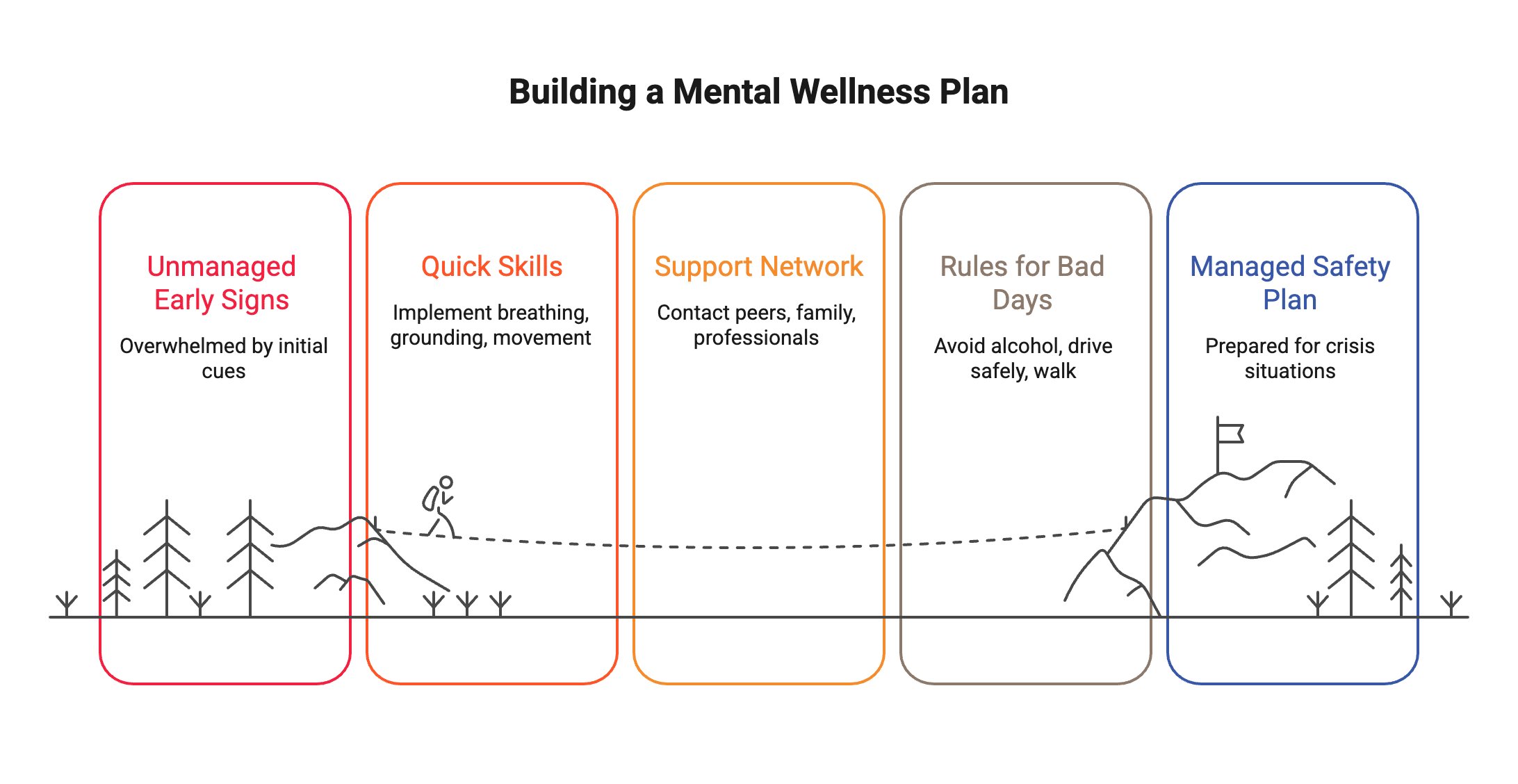
- My early signs: list 3–5 cues you notice first (sleep, irritability, near‑misses).
- My quick skills: two breathing tools, one grounding drill, one movement reset.
- My supports: peers, a family contact, union/EAP, and a therapist.
- My rules for bad days: no alcohol, slower driving, daylight walk, check‑in text.
- If/Then safety plan: if nightmares for three nights or any suicidal thoughts, call a trusted person or clinician, dial 988, and go to the ER if safety is at risk.
What therapies and supports actually help first responders?
You have options that fit the job. Cognitive‑behavioral and exposure‑based therapies reduce avoidance, nightmares, and hyperarousal, and trials with first responders back that up. Real-world programs are evolving, and more of them now pair EMDR with skills practice and peer support.
Peer programs and Employee Assistance can be a bridge, but therapy is private and matched to you. A broad survey highlights the need for tailored, evidence-based care—and attention to co-drivers like sleep and substance use.
How can families help without prying?
Use a light, steady touch: “I’m glad you’re home. I’m here if you want to talk. Let’s eat and get some rest.” Keep routines predictable, protect sleep time, and plan one non‑work activity together. Avoid grilling for details, pushing alcohol, or calling your responder “unbreakable.”
When is it an emergency?
Treat it like a structure fire: act fast. Seek immediate help for suicidal thoughts, feeling out of control, severe intoxication, violence at home, or dissociation while driving or working. Call 988 or 911, or go to the nearest ER.
How do I find first‑responder‑savvy care in Charleston?
Therapy Group of Charleston offers confidential, evidence-based care for first responders and their families, including CBT and family work. Sessions are in person at our Mount Pleasant office or by secure video anywhere in South Carolina. We’re out of network, and we file the insurance claims for you. A typical path starts with a short consult and a clear plan for the first few sessions.
Quick grab‑and‑go checklists
After‑Call Reset (2 minutes)
1) 5–10 slow sigh breaths → 2) 5‑4‑3‑2‑1 grounding → 3) water + brief walk → 4) peer check.
First‑Night Sleep Checklist
Dark room, cool temp, no alcohol or sedatives, wind‑down routine, daylight before bed if coming off nights.
My Recovery One‑Pager
Early signs, quick skills, supports, rules for bad days, If/Then safety plan with 988.
Closing note: You’re not “too tough to feel.” Your nervous system is doing its job. Recovery is a skill set—and skills can be learned.
Frequently Asked Questions about First Responder Mental Health
What mental health challenges are common among first responders?
First responders often face mental health issues such as post-traumatic stress disorder (PTSD), anxiety, depression, substance abuse, and behavioral health challenges due to their exposure to life-threatening situations and traumatic events. Shift work and chronic stress can further impact their well-being. As many as 30% of police officers, firefighters, and emergency medical services personnel will develop behavioral health challenges.
What resources are available to support first responders?
There are various mental health resources dedicated to first responders, including counseling services, peer support programs, stress management training, and specialized organizations that focus on emergency response professionals like police officers, paramedics, and emergency medical technicians. These resources aim at addressing stigma and providing effective support. The culture of first responder professions often discourages seeking help for mental health issues, fostering underreporting of these challenges.
How does stigma affect first responders seeking help?
Stigma within first responder work culture can discourage individuals from seeking mental health support due to fears of confidentiality breaches or negative career consequences. Creating a supportive community and normalizing conversations about mental health are crucial strategies to overcome these barriers. Cultural expectations to maintain a “tough” exterior further foster an environment where mental health issues are underreported among first responders.
Will my department find out if I see a therapist?
Not from us. What you share in therapy is confidential, and we don’t contact your employer or share your records without your written permission. The legal exceptions, such as an imminent risk of serious harm, are narrow and the same for every client. If you use out-of-network benefits, the claim we file goes to your insurance company, not your department.
How can family members support first responders?
Family members can help by maintaining predictable routines, offering non-judgmental support, protecting sleep time, and encouraging healthy coping mechanisms. Understanding the importance of mental health and participating in community efforts can also make a positive difference.