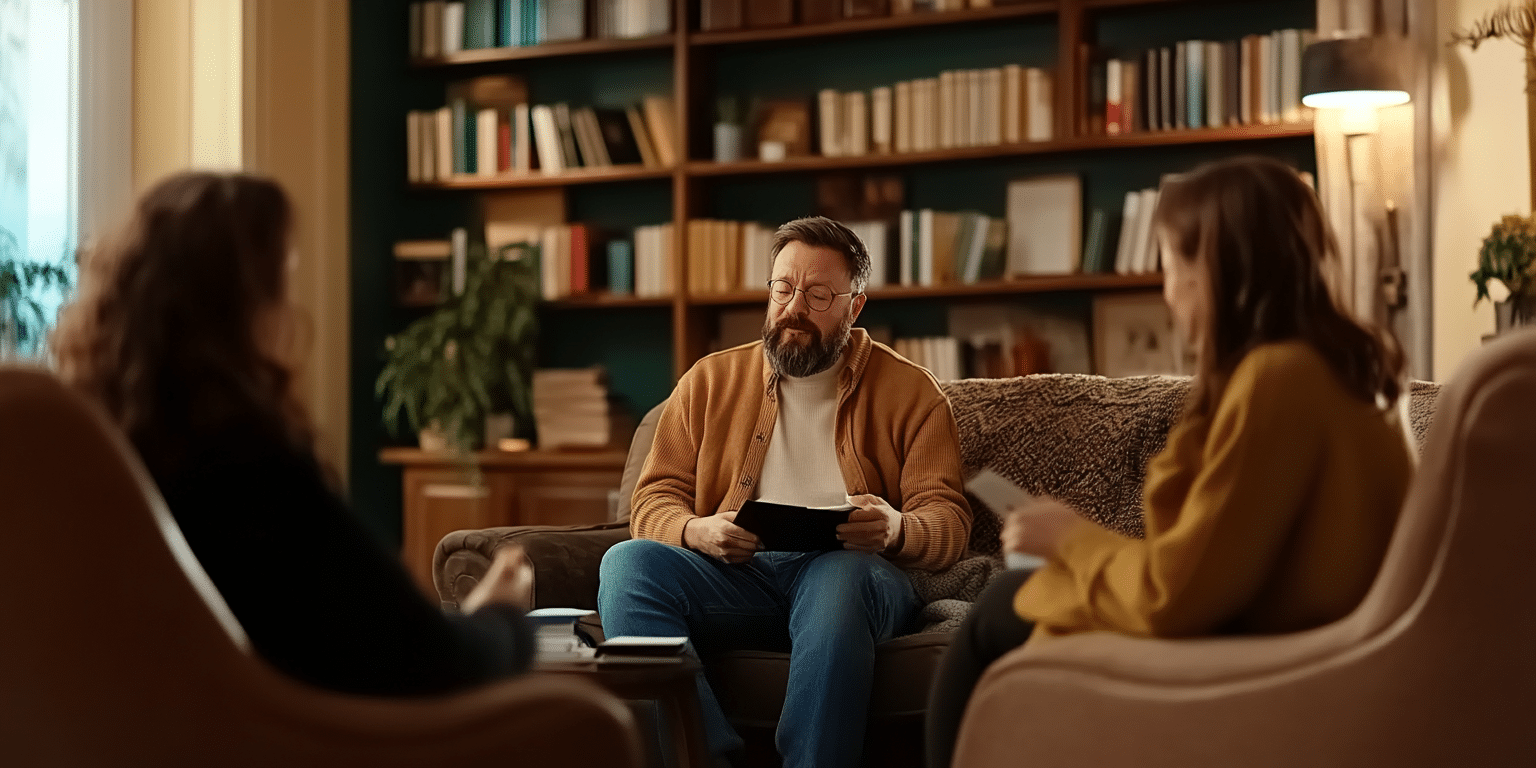

Relationships can be wonderfully complicated. If communication breakdowns, chronic illness, or low self esteem are chipping away at your connection, couples counseling can give you practical tools to rebuild trust and intimacy. Below you’ll find a guide couples often follow when deciding whether to begin marriage counseling, how to choose a couples therapist, and what to expect from your first session.
Quick Snapshot
- Cost: Varies by therapist and session type; see our payment page for our current fees
- Insurance reimbursement: Many PPO plans reimburse part of out-of-network sessions; HMO and EPO plans often don’t—confirm benefits first
- Evidence-based methods: Emotionally Focused Therapy (EFT), CBT, motivational interviewing, and solution-focused techniques
- Typical course length: 8–16 sessions, tailored to each couple’s goals
- Where: in person at our Mount Pleasant office, or by secure video anywhere in South Carolina
What Is Couples Counseling?
Couples counseling—also called marriage counseling or couples therapy—is a structured series of conversations led by a licensed marriage and family therapist, licensed professional counselor, or licensed independent social worker. Partners learn healthy communication skills, repair trust, and nurture emotional well‑being.
How Sessions Work
- Assessment & Goal‑Setting—Your therapist maps current relationship issues and sets measurable objectives so clients learn exactly what success looks like.
- Skills Training—You’ll practice conflict‑de‑escalation, healthy communication, and self‑care strategies that promote overall health.
- Deepening Intimacy—Using an integrative model that can include emotionally focused therapy or motivational interviewing, you’ll identify unmet needs and rekindle connection.
- Maintenance Plan—Future‑focused tools keep progress on track long after the final session.
Good to know: Many couples notice some change early on, and lasting change usually takes steady practice between sessions.
Is Marriage Counseling Worth It?
A 2024 review of 20 studies found that about 7 in 10 couples were no longer struggling by the end of EFT.
Top Benefits
- Fulfilling life together built on empathy and shared goals
- Sharper conflict‑resolution skills that benefit work, parenting, and overall health
- Revived emotional and physical intimacy
- Prevention: premarital education is linked to lower odds of divorce
When Should We Seek Help?
- Persistent arguments or stonewalling
- Adults dealing with grief, trauma, or parenting stress
- Transition phases—new baby, job relocation, or caring for aging parents
- Questions about body image, infertility, or sex that feel too charged to tackle alone
Many couples wait six years after problems start; acting sooner preserves goodwill and saves time in therapy.
Choosing a Therapist in Charleston, SC
- Credentials (LMFT / LPC / LISW-CP) — Licensed clinicians with at least a master’s degree and advanced training in couples and family systems.
- Specialized training — Certifications in Emotionally Focused Therapy (EFT), the Gottman Method, or motivational interviewing signal evidence-based skills.
- Insurance & fees — Ask about fees and whether they file out-of-network claims for you, then check your plan’s out-of-network benefits.
- Practice setting — Charleston offers small private practices, university-affiliated clinics, and larger group practices.
- Fit check — Interview two or three providers to find the one whose style and expertise align with your relationship goals.
Types of Counseling Available
- Emotionally Focused Therapy—gold‑standard for attachment repair
- Integrative CBT—restructures thinking patterns that fuel anxiety or anger
- Family counseling & Individual counseling—addresses ripple effects with kids or personal trauma
Online vs. In‑Person
Virtual sessions help when bridge traffic or a packed week makes the drive to an office hard. Encryption keeps data secure, though some couples prefer the body‑language cues of an office visit.
The Bottom Line
Whether you’re in historic Downtown, Mount Pleasant, or sun‑soaked Daniel Island, Charleston offers skilled professionals ready to help you move from disconnection to emotional well being. Couples counseling isn’t about pointing fingers; it’s an investment in a resilient partnership and a more fulfilling life—together.
Ready to Strengthen Your Relationship?
Take the first step toward a healthier, more fulfilling partnership with the Therapy Group of Charleston. Our experienced, compassionate therapists specialize in couples counseling tailored to your unique needs. Whether you’re facing communication challenges, emotional disconnection, or major life transitions, we’re here to guide you every step of the way.
Contact the Therapy Group of Charleston today to schedule your first session and start building the relationship you deserve.
Frequently Asked Questions (FAQ)
What is family therapy and how does it differ from couples counseling?
Family therapy involves working with multiple family members to address dynamics and challenges affecting the whole family system. While couples counseling focuses on the relationship between partners, family therapy helps improve communication, resolve conflicts, and foster support among all family members.
How can couples counseling help us communicate better?
A professional counselor guides couples in developing healthy communication skills, teaching techniques to express feelings effectively and listen empathetically. This helps partners navigate challenges, reduce misunderstandings, and build stronger emotional connections.
What kinds of challenges can couples counseling address?
Couples counseling can help with a wide range of challenges including chronic illness impacts, parenting stress, infidelity, emotional disconnection, and managing transitions like divorce or relocation. It offers tools to cope with these issues and restore hope in the relationship.
Is there hope for couples experiencing serious relationship issues?
Yes, couples counseling provides a supportive environment where partners can work through difficulties together. With commitment and guidance from a licensed marriage and family therapist, many couples find renewed hope and ways to rebuild intimacy and trust.
How do I find a qualified couples therapist in Charleston, SC?
Look for licensed professionals with specialized training in marriage and family therapy, such as LMFTs or licensed professional counselors. Checking credentials, experience with relationship issues, and insurance acceptance can help you choose the right therapist for your needs.
How much is couples counseling in Charleston SC?
Costs vary by therapist and session type; see our payment page for our current fees.
Is couples counseling covered by insurance?
Coverage for couples sessions varies by plan, so call your insurer before your first session to ask about your out-of-network benefits. At Therapy Group of Charleston, you pay at each session and we file the out-of-network claim for you.
What is the success rate of couples therapy?
A review of a decade of research found that couples therapy helps about 7 in 10 couples who receive it.
What not to say during marriage counseling?
Avoid blame (“You always…”), character attacks, or threats of divorce. Stick with I‑statements about feelings and needs.